
Hear Me Out | Week 2 | Pastor John C. Maxwell
Every new year, I do something sacred and straightforward: I touch the past so I can reach for the future. I go through my calendar day by day, evaluate the year, and ask God for a single word and a prayer to guide the months ahead. For 2026, my prayer is twofold: if you don’t know God, that you would meet Him. And if you already know Him, that this would be the year you lead someone else to Jesus.
Why That Prayer Matters
Too many people assume spiritual growth happens simply by living longer. Experience is a teacher, but not unless we evaluate it. You can get older without getting better. That’s why intentionally summarizing the year and forming a focused prayer matters. It trains your heart to act rather than merely drift.
My desire for you is practical and straightforward: know God personally, and then invest your life in helping someone else realize Him too. That’s the trajectory of every movement that lasts. It’s not fancy or complicated, but it is transformational.
The Paul Blueprint: Become a Servant to Reach a Wide Range of People
When I looked for guidance on how to cross from church ministry into the secular world effectively, I turned to the Apostle Paul as a model. Paul gives us a brilliant, simple blueprint in 1 Corinthians that every Christian can apply:
“Although I am free and belong to no one, I have made myself a slave to everyone, to win as many as possible.”
Paul didn’t change the gospel to match people. He changed his posture. He kept his bearings in Christ as he entered other people’s worlds and learned to speak their language. He became a servant to influence. The strategy is straightforward and profound:
- Be changed so you can be a catalyst for change. You cannot give what you do not have.
- Put others first. Serve, value, and add value to people who influence the investment.
- Include everyone. Paul’s “whoever” list means if you’re breathing, you matter.
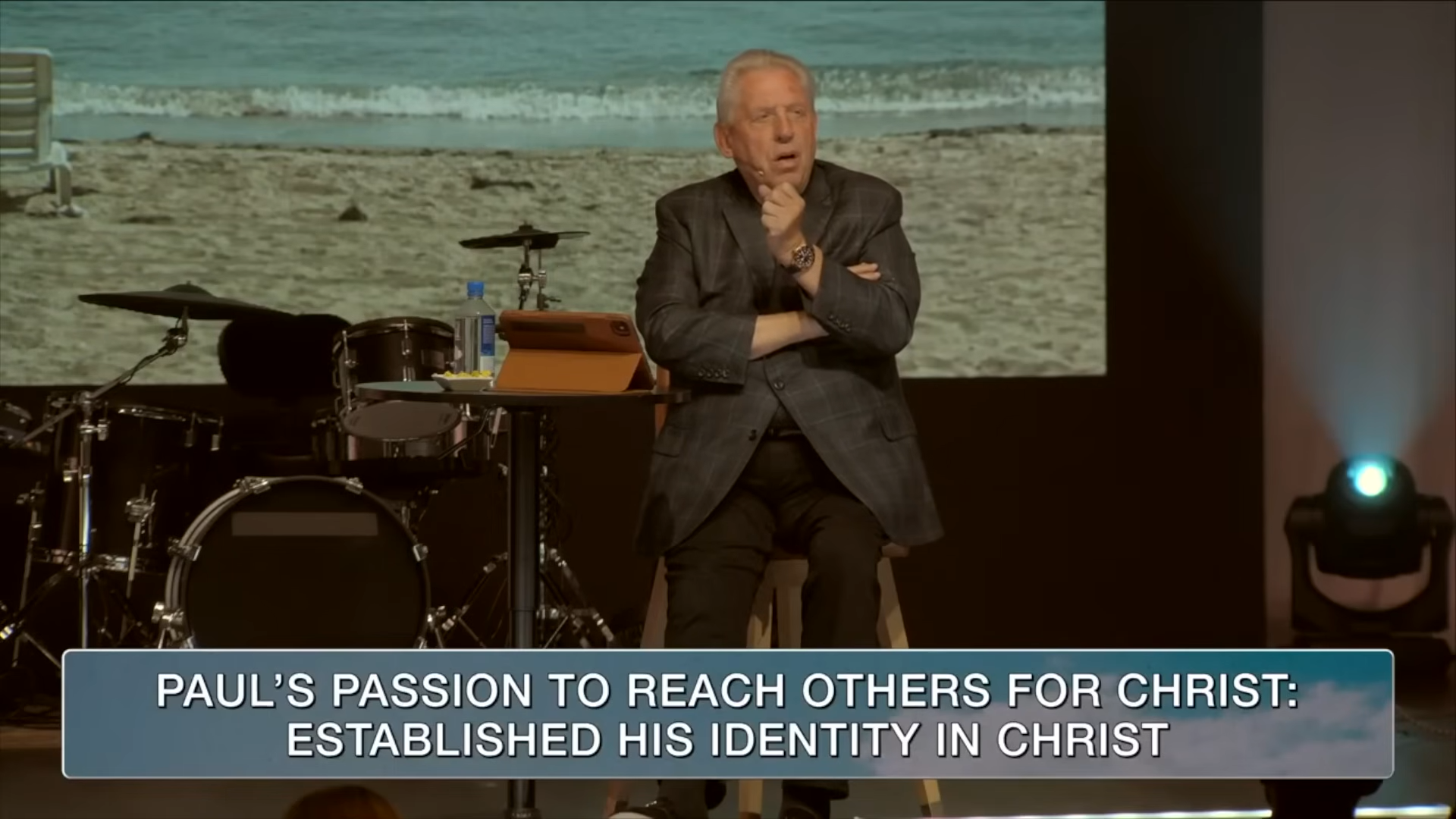
- Keep your identity in Christ. You don’t have to become like them to reach them, but you do have to like them.
Practical Translation
The gospel sticks when people experience genuine care and consistent presence. That looks like small, ordinary actions: listening more than speaking, believing the best about someone’s future, helping in ways that matter to them, and showing up without an agenda other than love. Influence is seldom immediate. It’s cultivated over time by trust earned through service.
Three Mind-Shifts That Change How You Connect
If you want to help someone approach God, you’ll need to reframe how you think about people, about yourself, and about connection. Here are three mind-shifts Paul modeled:
- Value people unconditionally. When you see someone as valuable, you serve them. When you see them as broken, you fix them. When you see them as hurting you, help them. Value is the entry point to connection.
- Include everybody. God loves the world, not just the people who look like you or live like you. The moment you decide you are willing to love people you don’t even like, you begin to look like Jesus.
- Know who you are and don’t surrender your identity. You don’t need to adopt someone’s behavior to enter their world. Keep your bearings in Christ while becoming present in theirs.
One of my favorite lines to say is: “You don’t have to be like them to reach them. But you do have to like them to reach them.” That’s both an attitude and a discipline.
Three Wrong Pictures of God and How to Redraw Them
When people are hungry for truth, the obstacle is often a wrong picture of God. Over the years, I’ve listened to many honest questions and discovered three common misconceptions that keep people from pursuing a relationship with God. If you want to help someone find God, start by clarifying these pictures.
1. The wall picture
Many people think God is unreachable, a distant figure on the other side of a massive wall. “There might be a God, but He’s over there, and I’m over here.” The remedy is this: God came to you. He sent Jesus to bridge the distance. God will jump the wall to get to you. Make that simple truth visible by telling stories of a God who pursues, who knocks, and who welcomes.
2. The ladder picture
Some people think they can earn their way to God by climbing a stairway of good works. That’s religion, not a relationship. We are not saved by what we do for God but by what God did for us. The ladder is misleading because it focuses on human effort instead of divine grace. Clarify the distinction: good works flow from a changed heart, not the other way around.
3. The trash-picture
Others believe their lives are too messy for God to be interested. They imagine God as someone who wouldn’t want to be around their junk. Scripture and Jesus’ behavior show otherwise: He seeks the broken and the messy. If God had a refrigerator, your picture would be on it. Tell people plainly: He loves you where you are.
How to Enter Someone’s World Without Losing Your Soul
Entering another person’s world is a posture, not a performance. It’s not about pretending or compromising your convictions. It’s about presence and empathy. Here are practical, repeatable steps:
- Start with questions, not answers. Ask, “What do you think about God?” and listen. Curiosity invites honest conversation and reveals the wrong pictures you can gently correct.
- Value before you argue. People will not hear your message until they are sure you care more about them than you do about being right.
- Practice presence. Show up where they live, work, or hang out. Relationships cannot be manufactured from a distance.
- Share one simple thing at a time. You don’t need to deliver a theology lecture. Tell your story. Explain briefly how Jesus changed your life and what that change looks like today.
- Make the invite natural and straightforward. Offer to meet again, send a book, or pray for a specific need. Small steps lead to movement.
When I speak in secular settings, I often share four practical leadership ideas and leave the fifth as an invitation to discuss faith. Hungry people will come and ask questions. They want to meet a God who is accessible and loving, not distant or condemning.
Your Influence is More Powerful Than You Think
Here is one of the most important truths I want you to carry: there are people in your life who will never know God unless you share your faith with them. That includes family members, friends, coworkers, neighbors, people you already influence, whether you realize it or not.
In many communities, a vast majority never set foot in a church. You might be their best or only shot at knowing Jesus. That is a privilege, not a burden. It is also a responsibility to show up with love, humility, and patience.
My prayer for you is that you will be ready in 2026. You will practice presence, ask good questions, and intentionally open doors for honest conversations about faith. Don’t wait for the perfect moment. Start with a single act of care this week.
Simple Language That Opens Hearts
When someone asks about faith, you don’t need clever answers. Use plain language:
- “I used to be like that, then Jesus changed my life.”
- “If you want, I can pray for you about that.”
- “What do you think God would do about this?”
- “If you want to know more, I’d love to share why I believe.”
People are hungry, but their appetite is often misdirected. They need the right picture of God, a patient friend, and a simple invitation. Those three things are more evangelistic than the best sermon.
Salvation: Transformational, Not Transactional
One line that matters: salvation is transformational, not transactional. The prodigal son is the picture: he came back expecting to be treated like a servant, but the father welcomed him as a son. God doesn’t measure your past sins to decide whether to love you. He loves you and then transforms you from the inside out.
If someone believes God will accept them only on the condition of their perfection, help them see the father’s response in the parable. Love, welcome, and transformation, not condemnation, is the gospel’s heartbeat.
Practical Checklist to Get Started This Week
- Choose one person. Name one person you will intentionally invest time in this month.
- Listen first. Ask a sincere question about their view of God or faith and listen with no agenda.
- Serve without announcing it. Do something meaningful and practical for them.
- Share your story. When the time is right, tell one brief story of how knowing Jesus changed you.
- Pray. Offer to pray for one specific need. Then follow up the next week to see how they’re doing.
Small, consistent actions win hearts over time. Don’t underestimate the power of one caring conversation.
Final Word and Invitation
If you don’t know God, I hope you’ll take the first step. If you do know Him, commit to being someone who helps others meet Him in 2026. Remember: many people in your county won’t walk into a church, but they will sit across from you at lunch, share a cubicle, or follow you on social media. You are likely their best chance of encountering the loving, pursuing God.
When you love people unconditionally, keep your identity in Christ, enter their world with curiosity, and correct wrong pictures of God with humility and clarity, you’ll see lives change. That’s the invitation: live as a servant, include everyone, and watch God use your influence to populate heaven.
Remember these words
“You don’t have to be like them to reach them. But you do have to like them to reach them.” Let that line shape your posture in everyday relationships.
My name is John, and I’m your friend. If you adopt these practices, your life and someone else’s eternity will be different because you chose to enter their world with love.
Resources and next steps
If you’d like to put these ideas into practice, pick one item from the checklist and do it this week. If you struggle with what to say, start by asking one honest question and listening. The rest will follow.
Go today and be someone who makes people hungry for God, not angry. That’s how we change the world, one life, one conversation, one act of service at a time.